144 N Frost Dr #1, Saginaw, MI 48638

Most people grow up hearing the same advice: visit the dentist every six months. But if Dr. Michael Su at Saginaw Family Smiles has recommended coming in every three or four months, you might be wondering why. Understanding why your dentist might recommend checkups every 3 months instead of 6 in Saginaw can help you take better control of your oral health. The answer comes down to your individual risk factors — and protecting your smile long-term.
The Six-Month Rule: Where Did It Come From?
The twice-yearly dental visit became a standard recommendation decades ago. It was a general guideline designed to catch problems before they grew serious. For many patients with healthy gums and low cavity risk, six months is perfectly appropriate.
However, every patient is different. Oral health is not one-size-fits-all. Some patients develop plaque and tartar much faster than others. For those individuals, waiting six months between cleanings can allow significant damage to accumulate quietly.
Dr. Su evaluates each patient individually at Saginaw Family Smiles. The goal is always to match your visit schedule to your actual oral health needs — not a generic calendar.
Why Some Saginaw Patients Need Checkups Every 3–4 Months
Several specific conditions make more frequent dental visits necessary. These are not arbitrary decisions — they are based on clinical evidence and your personal health history. If any of the following apply to you, a three- or four-month interval may protect your smile far better than waiting six months.
Here are the most common reasons Dr. Su recommends more frequent checkups:
- Gum disease (periodontal disease): Active or treated gum disease requires close monitoring. Bacteria recolonize below the gumline quickly in affected patients.
- High cavity risk: Some patients are prone to cavities due to diet, dry mouth, or enamel structure. Catching early decay prevents the need for Dental Fillings Saginaw down the road.
- Diabetes: Diabetes significantly increases infection risk and slows healing. Gum disease and diabetes worsen each other in a two-way relationship.
- Smoking or tobacco use: Tobacco users face elevated risks of gum disease, oral cancer, and bone loss. More frequent visits allow earlier detection.
- Weakened immune systems: Patients undergoing chemotherapy or managing autoimmune conditions need closer oral health oversight.
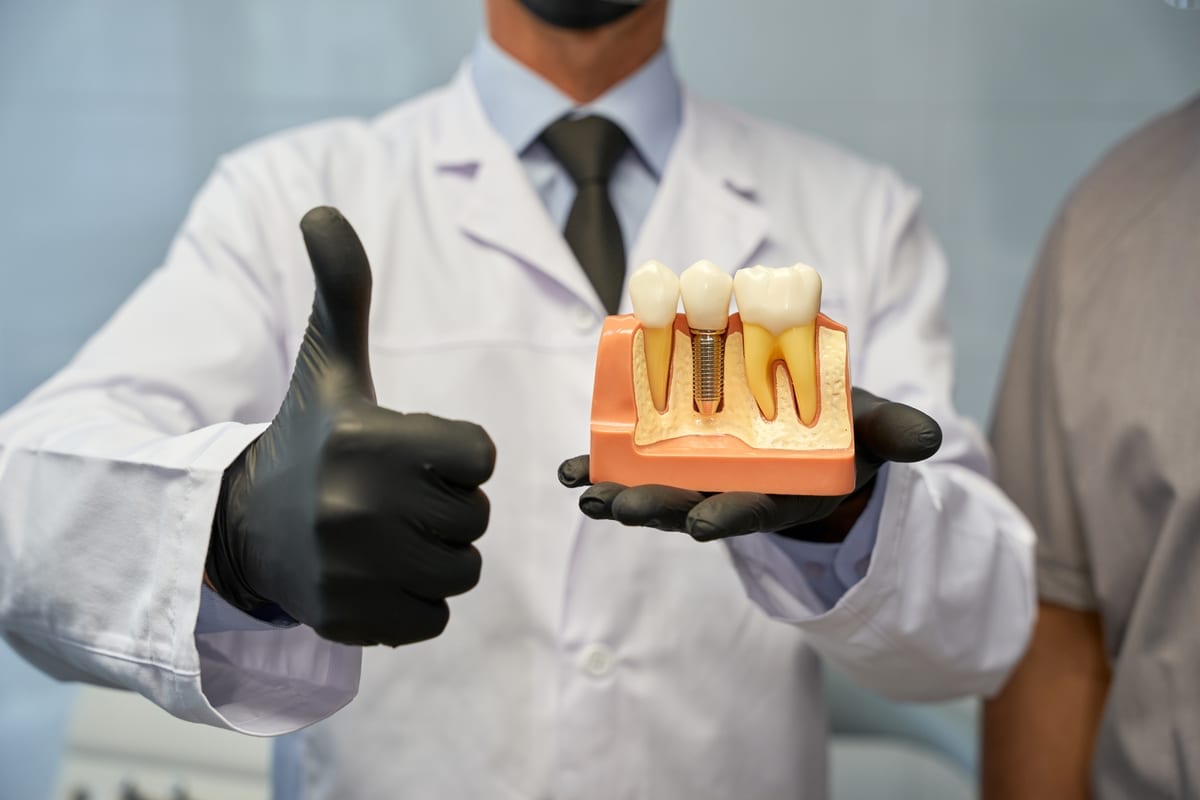
- Dental implants or implant-supported dentures: Implant restorations require regular checks to ensure the surrounding tissue and bone remain healthy.
- Pregnancy: Hormonal changes during pregnancy increase gum sensitivity and inflammation risk.
Even a history of frequent cavities in childhood can indicate a higher lifelong risk. Your past dental history matters when Dr. Su determines your ideal schedule.
What Happens During a 3-Month Checkup Visit in Saginaw?
A more frequent visit is not necessarily longer or more complex. It follows a similar structure to a standard checkup. The key difference is the timing — catching problems at an earlier, more manageable stage.
Here is what you can typically expect during a preventive visit at Saginaw Family Smiles:
- Professional teeth cleaning: Our hygienist removes plaque and tartar buildup that brushing cannot reach at home.
- Gum health assessment: We measure pocket depths around your teeth to monitor for signs of gum disease progression.
- Oral cancer screening: Dr. Su performs a thorough visual and physical exam of your oral tissues at every visit.
- Digital X-rays (as needed): We use low-radiation digital X-rays to check for decay, bone changes, or other hidden concerns.
- Fluoride treatment (when recommended): Fluoride helps remineralize enamel and reduces cavity risk between visits.
- Personalized guidance: Dr. Su reviews your home care routine and offers specific recommendations based on what we observe.
If something concerning appears — like a crack, early decay, or a soft tissue change — we can address it quickly. That is the real value of coming in more frequently.
How Dr. Su Determines the Right Interval for You
Your recommended checkup frequency is not a permanent label. It can change as your oral health improves or new risk factors emerge. Dr. Su reassesses your needs at each visit.
Patients who successfully manage gum disease through consistent care may eventually return to a six-month schedule. On the other hand, a patient who develops dry mouth from a new medication might need to increase their visit frequency. Oral health is dynamic — your care plan should be too.
During any dental emergency, prompt care is always available. If you experience sudden tooth pain, a broken tooth, or swelling between scheduled visits, Emergency Dentistry Saginaw is here to help right away.
The best way to understand your ideal schedule is simply to ask Dr. Su directly. He will walk you through the reasoning and answer any questions you have about your specific situation.
The Long-Term Benefits of More Frequent Preventive Care
It might feel inconvenient to visit the dentist more often. But more frequent preventive visits almost always reduce the need for complex treatment later. Catching a small cavity early means a simple filling — not a root canal or extraction.
Here are the clear advantages of staying on a shorter cleaning schedule when recommended:
- Reduced risk of gum disease advancing to tooth loss
- Earlier detection of oral cancer when treatment outcomes are best
- Fewer and smaller restorations needed over time
- Better management of systemic health conditions linked to oral bacteria
- Greater long-term confidence in your smile and overall wellness
Preventive dentistry is always more affordable — financially and physically — than restorative or emergency treatment. Saginaw Family Smiles is committed to helping you stay ahead of problems before they become painful or costly.
Conclusion: Your Smile Deserves a Personalized Plan
There is no single correct answer for how often every person should visit the dentist. Understanding why your dentist might recommend checkups every 3 months instead of 6 in Saginaw helps you see these recommendations as tailored care — not a suggestion to worry about. Dr. Su and the Saginaw Family Smiles team design every visit schedule around your unique needs, history, and goals. Book Now to schedule your appointment with our team.
Frequently Asked Questions
Is it normal for a dentist to recommend visits every 3 months?
Yes, it is completely normal for patients with specific risk factors. Conditions like gum disease, high cavity risk, diabetes, or tobacco use often require more frequent professional cleanings and exams. Dr. Su evaluates each patient individually to determine the safest interval.
Will more frequent dental visits harm my teeth or gums?
No — professional cleanings and exams are gentle preventive procedures. More frequent visits simply allow your care team to catch and address problems sooner. There is no risk of harm from professional dental care performed on a shorter schedule.
How do I know if I need to come in every 3 months or every 6 months?
Dr. Su will review your medical history, examine your gums and teeth, and assess your personal risk factors during your visit. He will explain his recommendation clearly and answer any questions you have about your specific oral health situation.
Can I go back to a 6-month schedule after my gum disease is treated?
Possibly, yes. Many patients who manage gum disease successfully through consistent care and good home hygiene eventually qualify for a standard six-month schedule. Dr. Su reassesses your needs regularly and adjusts your visit frequency as your oral health evolves.
What happens if I skip the 3-month visits and just come every 6 months?
For high-risk patients, skipping recommended visits allows plaque, tartar, and bacterial infection to advance significantly between appointments. This increases the likelihood of gum disease progression, cavities, and more complex and costly dental treatment in the future.