
144 N Frost Dr #1, Saginaw, MI 48638
Restoring Strength to a Damaged Tooth
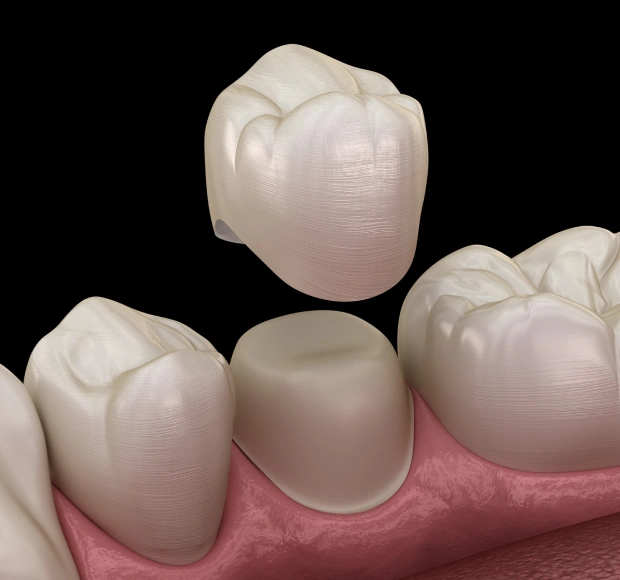
Some dental problems go beyond what a filling can repair. When a tooth has been significantly weakened by decay, a large filling, a root canal, or a crack, a dental crown offers a durable solution that restores both the strength and appearance of the tooth. Rather than removing the tooth entirely, a crown covers and protects the remaining natural structure, allowing you to keep your own tooth while restoring full function.
At Saginaw Family Smiles, our crowns are custom fabricated to match the size, shape, and color of your surrounding teeth, so the restoration blends naturally into your smile. Our Saginaw team walks you through every step of the process, helping you understand exactly why a crown is being recommended and what to expect along the way.
Book a Crown Consultation
Understanding This Common Restorative Treatment
A dental crown is a custom-made cap designed to cover an entire tooth above the gumline, replacing the tooth's outer surface while preserving the natural root and structure underneath. Crowns are typically made from durable materials such as porcelain, zirconia, or a combination of ceramic and metal, chosen based on the location of the tooth, the amount of bite force it will need to withstand, and aesthetic preferences.
Once placed, a crown functions just like a natural tooth, allowing normal biting and chewing while protecting the weakened structure beneath it from further damage or fracture. Because crowns are custom shaped and shaded to match your existing teeth, most patients find them virtually indistinguishable from their natural smile.
Common Reasons for Getting a Dental Crown
A crown may be recommended for a variety of reasons, including:
- A large cavity that is too extensive for a standard filling to repair
- A cracked or fractured tooth that needs additional support to prevent further damage
- A tooth that has undergone root canal therapy and requires protection afterward
- Severe wear from grinding or long-term erosion
- Covering a dental implant to restore a missing tooth
- Improving the shape, size, or appearance of a misshapen or discolored tooth
- Anchoring a dental bridge to replace one or more missing teeth
The Dental Crown Process
Getting a dental crown at our Saginaw office typically involves two visits.
Tooth Preparation
The affected tooth is reshaped to remove any damaged structure and create room for the crown to fit properly over the remaining tooth.
1
Taking an Impression
A precise impression or digital scan of the prepared tooth is taken, which is used to fabricate your custom crown in a dental lab.
2
Placing a Temporary Crown
While your permanent crown is being made, a temporary crown is placed to protect the tooth and allow you to eat and speak normally.
3
Fabricating Your Custom Crown
Your permanent crown is crafted to match the shape, size, and shade of your natural teeth, ensuring a seamless fit within your smile.
4
Fitting the Permanent Crown
Once ready, the temporary crown is removed, and your permanent crown is carefully checked for fit and bite before being permanently bonded into place.
5
Who Is a Candidate for a Dental Crown?
A dental crown is typically recommended for patients who have:
- A tooth with a large or failing filling that no longer provides adequate support
- A visible crack or fracture line that threatens the tooth's integrity
- Recently completed root canal therapy on a back tooth
- A tooth significantly worn down from long-term grinding or clenching
- A dental implant that needs a visible, functional restoration
- Cosmetic concerns about a tooth's shape, size, or color that other treatments cannot fully address
Why Crowns Are a Reliable Long-Term Solution
- Restores full strength and function to a damaged or weakened tooth
- Protects a tooth from further cracking or breaking down over time
- Custom shaded and shaped to blend naturally with surrounding teeth
- Durable enough to withstand normal biting and chewing forces for many years
- Preserves as much of your natural tooth structure as possible
- Provides a long-term alternative to extraction for teeth that can still be saved
Restore Strength and Confidence to Your Smile
If a damaged tooth is affecting your comfort or confidence, a dental crown could be the lasting solution you need. Schedule your consultation with our Saginaw oral health clinic today.
Book Appointment